 US-EN
US-EN  Argentina (AR)
 Brazil (BR)
 Chile (CL)
 Colombia (CO)
 Ecuador (EC)
 Mexico (MX)
 Perú (PE)



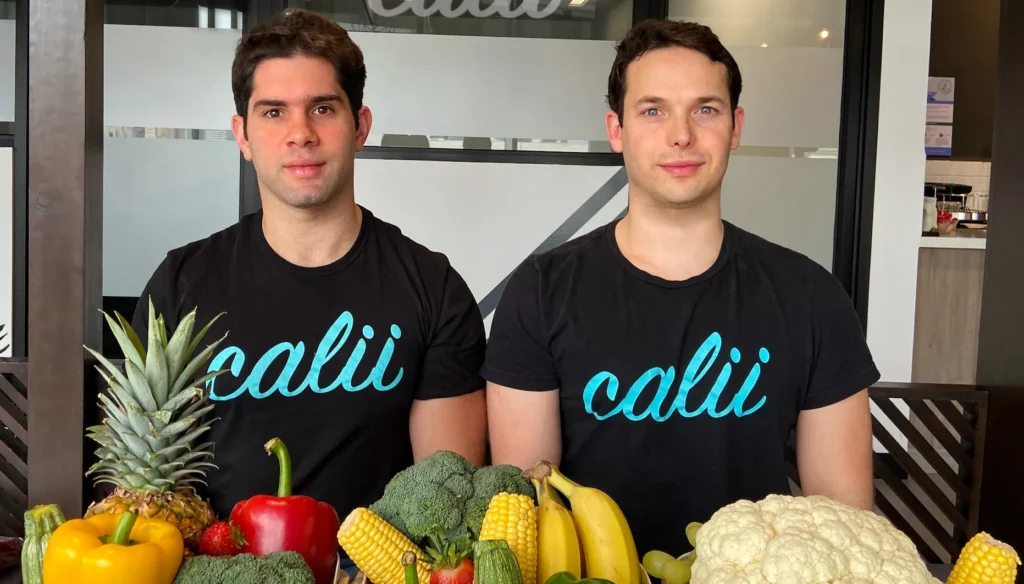

About Calii
Calii was built around a simple idea, although not an easy one to execute: connect producers directly with consumers and make the food supply chain in Latin America work better. Through technology, the company removes unnecessary steps, reduces friction, and improves the experience for both producers and customers. That model helped Calii grow quickly. But, as often happens when a company starts scaling, internal processes had to keep up with the business. Payroll became one of those areas that needed more structure. As the team grew, it was no longer enough for the process to simply work. They needed visibility, order, and a way to manage payroll without turning every cycle into extra pressure for Human Resources.
What were the main challenges when managing payroll before Runa?
Before Runa, Calii was already feeling the natural weight of growth. Each new employee meant more data to manage, more movements to track, and more time spent checking that everything was correct. Payroll calculation was only part of the work. The team also had to track deductions, earnings, incidents, and individual payments. Without one central platform, getting a clear view of all that information was not always easy. Payment disbursement also involved more steps than ideal. As the team kept growing, the risk of errors grew with it. So did the operational workload. It was not a one time problem. It was a process that was starting to take too much time from the HR team. The feeling was pretty clear: the old way could keep working for a while, but it was not built for the pace Calii needed.
How has Runa optimized payroll and employee management?
Runa helped Calii bring order to the process. By keeping employee information in one place, the team gained something very valuable: clarity. Information was no longer scattered across different files or systems. It was available when needed. Payroll, employee movements, deductions, and payments became easier to manage. Not because payroll stopped being complex. It is payroll. There are always details. But now there was a platform built to handle those details in a cleaner, more reliable way. One of the clearest changes was payment disbursement.
The process became faster and more predictable. Employees also gained direct access to their receipts, income, and deductions without having to depend on constant requests to the administrative team. That transparency made a difference. It improved efficiency, yes. But it also helped build trust. Pedro Pablo Tamez puts it well: "Having all information centralized and accessible for both the company and employees made payroll stop being an operational pain point." That is really the point. Payroll stopped demanding constant attention and became a process the team could trust.
What led them to choose Runa as their payroll platform?
For Calii, the decision was not just about automating calculations. They needed a platform that could grow with the company without forcing the team to rebuild processes every time the headcount increased. They needed better control over information. More visibility. Less manual work. And a payroll operation that could scale without adding unnecessary pressure to HR. Runa gave them that. A simpler way to operate. Centralized information. Clearer processes for everyone involved. Over time, this allowed Human Resources to spend less energy on repetitive tasks and more time on people, growth, and culture. Today, payroll is no longer one of the big worries in the day to day operation. It works the way a critical process should work in a growing company. Clearly. Consistently. Without getting in the way.