 US-EN
US-EN  Argentina (AR)
 Brazil (BR)
 Chile (CL)
 Colombia (CO)
 Ecuador (EC)
 Mexico (MX)
 Perú (PE)



About Tridi
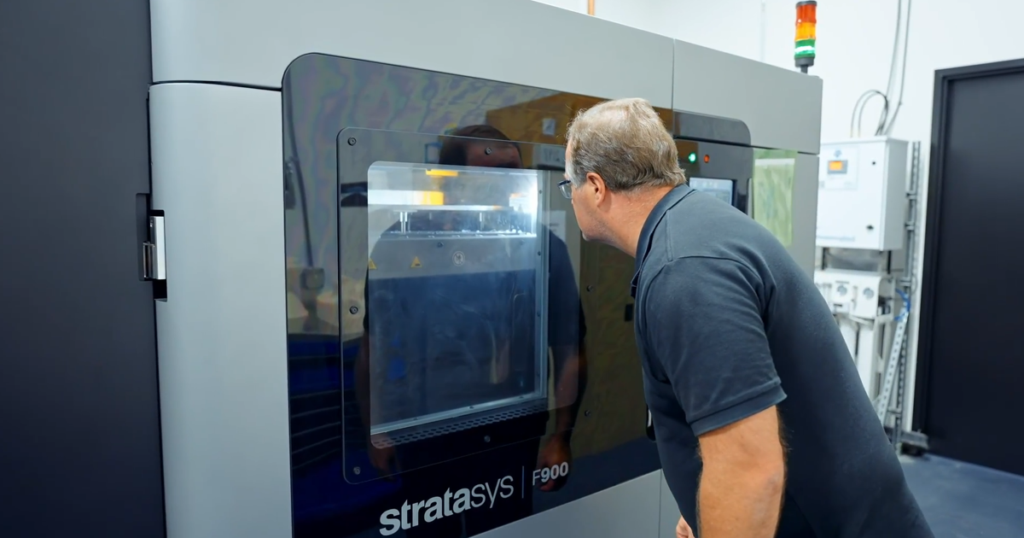
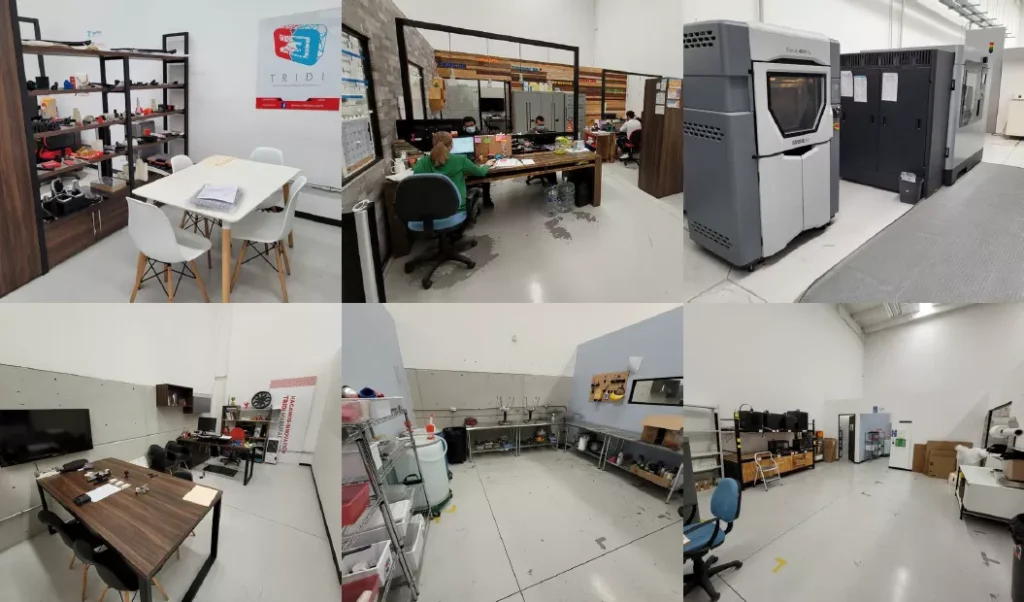
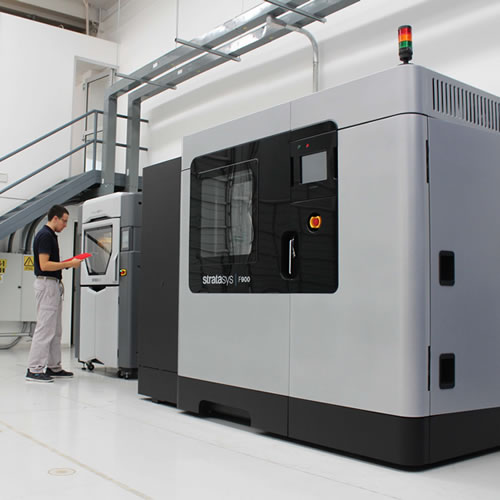
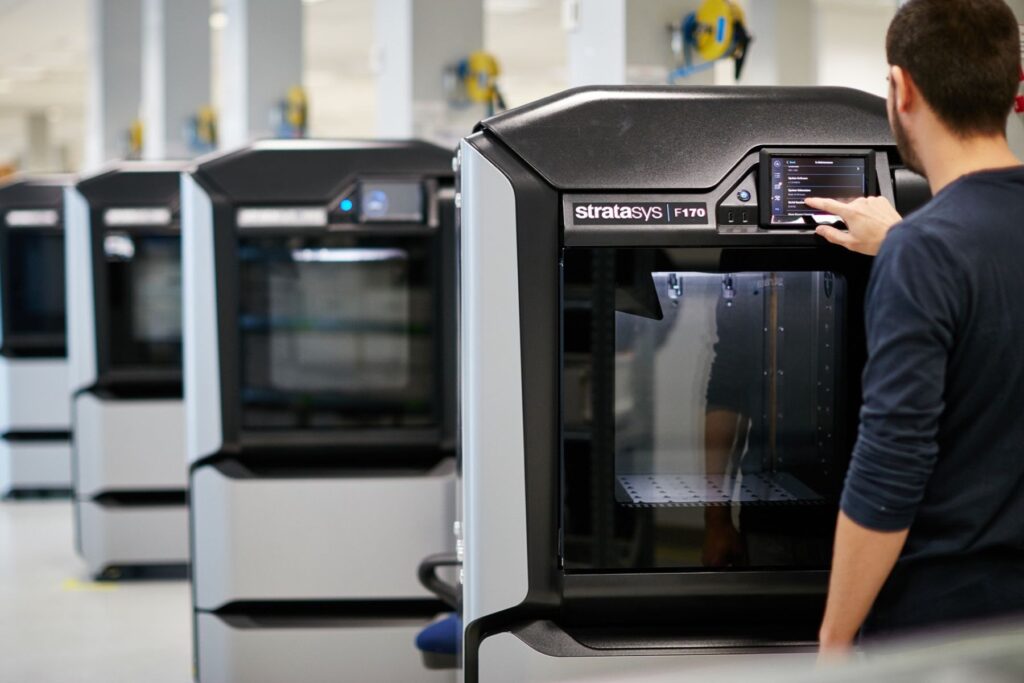
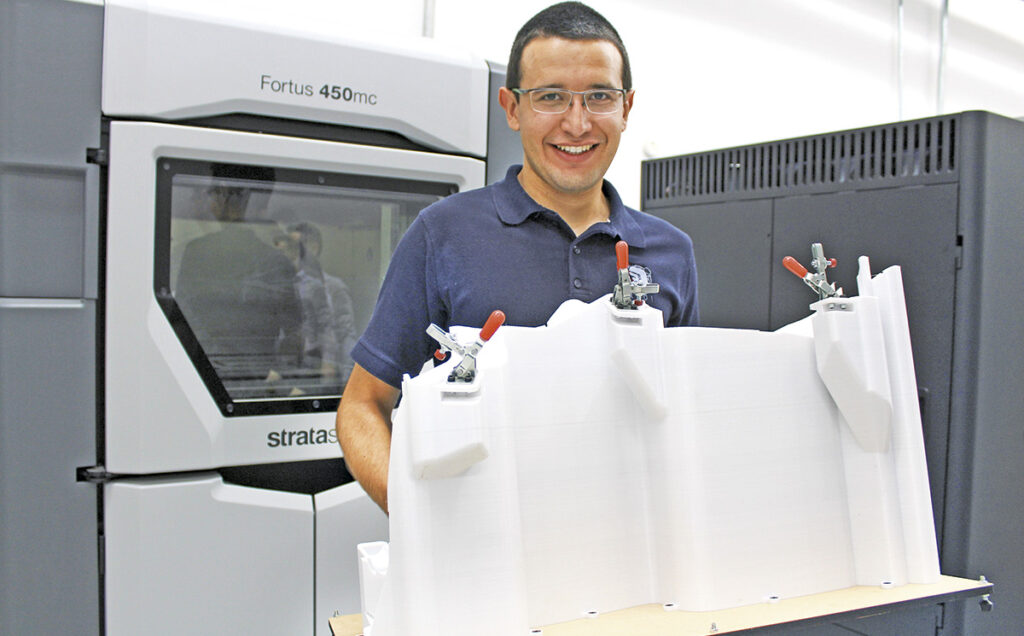
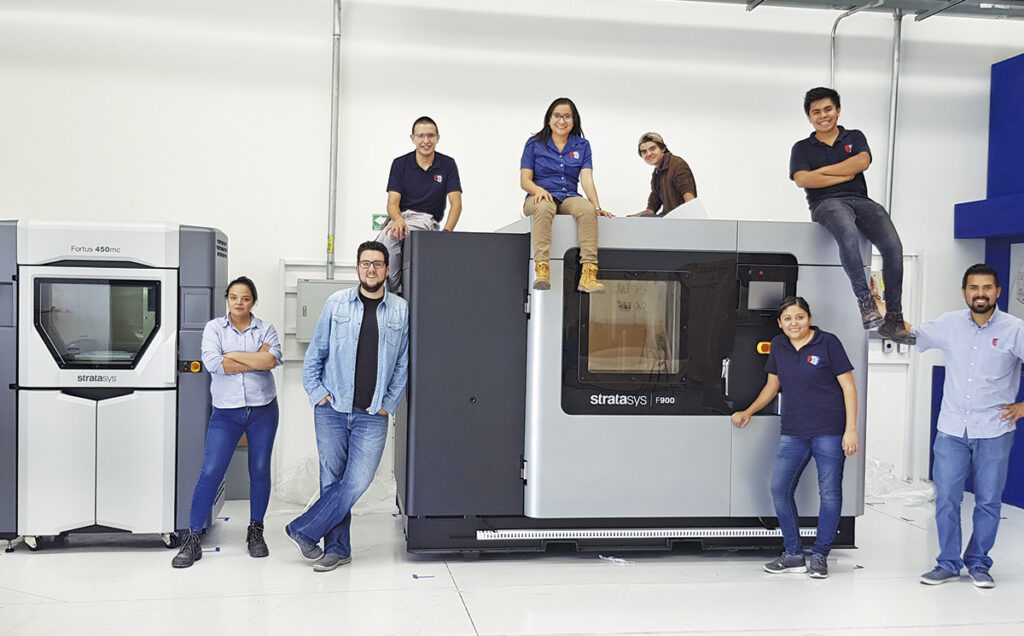
Tridi started in 2013 in Querétaro. The company works in engineering, plastic injection, manufacturing, mechatronics, industrial design, and technology education. Basically, they help turn ideas into real things. Things you can touch. Test. Fix. Use. Over time, Tridi built a strong name by solving practical problems for different industries. The company now works across three Mexican states and has grown into 3D printing and digital manufacturing too. It also created one of the most accessible 3D printing centres in Mexico. That helps students, architects, designers, engineers, and other professionals use advanced technology without feeling like they need a secret lab, a white coat, and a password from a robot. As Tridi grew, the team saw that admin work needed the same care as technical work. Payroll became one of those areas. It needed more order. More clarity. Fewer “wait, how do we do this?” moments.
What challenges were they facing when managing payroll?
Before Runa, Tridi used payroll outsourcing. That worked for a while. Then the labor reform in Mexico changed the game. Like many small and medium companies, Tridi decided to hire employees directly and manage payroll in house. The decision made sense. The problem was that payroll was new territory. The team did not have payroll experience. They did not have ready made processes for calculations, taxes, IMSS, or legal compliance. It felt a bit like being handed a toolbox and told to build a cabinet before lunch.
Even with only six employees, payroll still had to be correct. A small team does not mean small responsibility. Every calculation, tax filing, stamped receipt, and employee movement had to follow the rules. There was no full Human Resources department to take over either. So the work landed on administration and finance. Tridi needed something that could guide the process, reduce risk, and help the team avoid guessing. Because payroll guessing is not cute. It is more like juggling eggs next to a fan.
How did Runa help them in this process?
Runa helped Tridi move to internal payroll in a much clearer way. The platform gave the team a structure to set everything up from the start while staying aligned with Mexican labor and tax rules. The support also made a big difference. Runa did not just hand them the tool and disappear into the mist like a wizard with bad WiFi. The team received onboarding, training, and personal guidance. That helped them understand each step instead of feeling lost. For a company running payroll internally for the first time, that kind of help mattered a lot.
Workshops and webinars also helped the team learn more about Human Resources, compliance, and payroll. As Susana Orozco says, “The training was fundamental for us; they supported us throughout the entire process until we ran our first payroll, which gave us a lot of peace of mind.” At a time when many companies were trying to adapt to new labor rules, Tridi had a clearer path. They could move forward without feeling like they were walking through fog holding a calculator upside down.
What do they value most about Runa?
For Tridi, one of the biggest benefits has been simplicity. The company is small and does not have a specialized payroll team. So they needed something easy to use. Not a giant system with 200 buttons and one button that looks suspicious. Runa’s clear structure and guided steps helped the team manage payroll calculations, tax compliance, and employee admin in a practical way. Automation reduced manual work and helped make sure important tasks were done correctly and on time.
Payroll stopped feeling like a scary mystery box. Today, Tridi works with more confidence because calculations, legal requirements, and admin tasks are more organized. That gives the team more space to focus on what they actually do best. Manufacturing. Engineering. 3D printing. Digital manufacturing. With a stronger admin base, Tridi can keep growing with more clarity and control. And payroll can finally stop sitting in the corner blinking like a machine nobody wants to touch.