 US-EN
US-EN  Argentina (AR)
 Brazil (BR)
 Chile (CL)
 Colombia (CO)
 Ecuador (EC)
 Mexico (MX)
 Perú (PE)




About Fillip
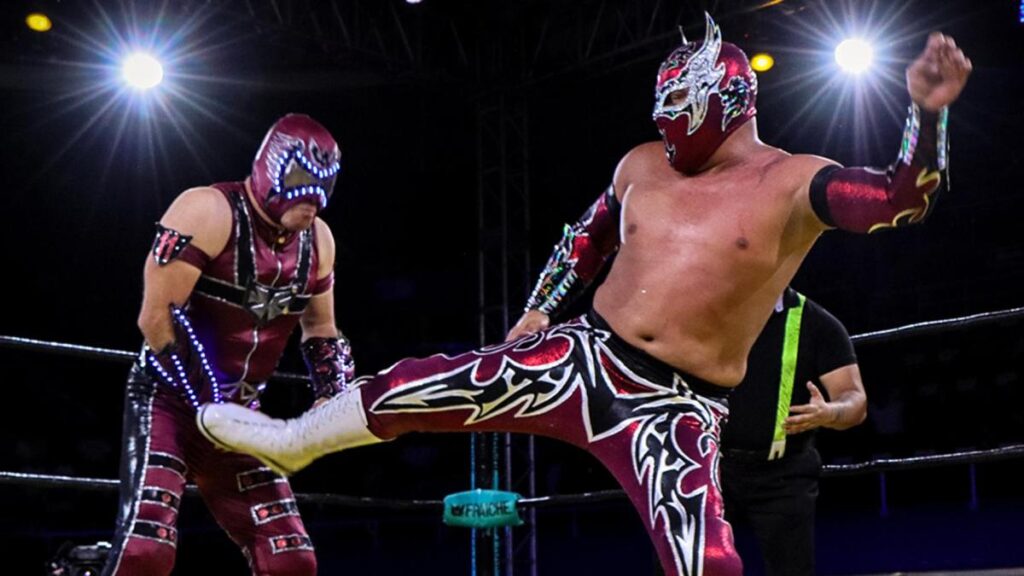
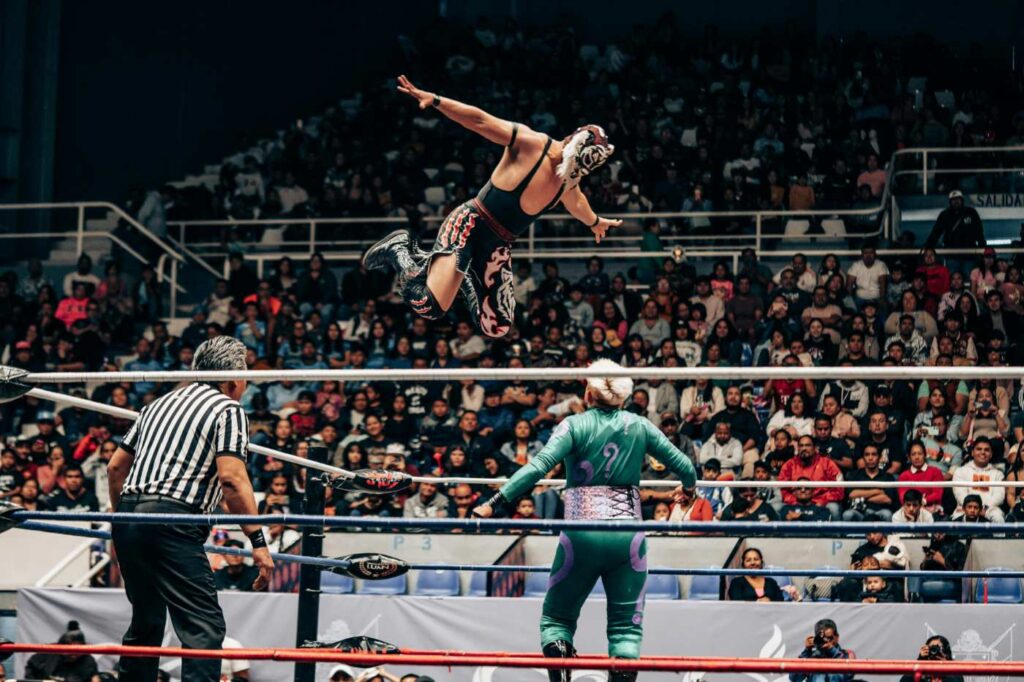
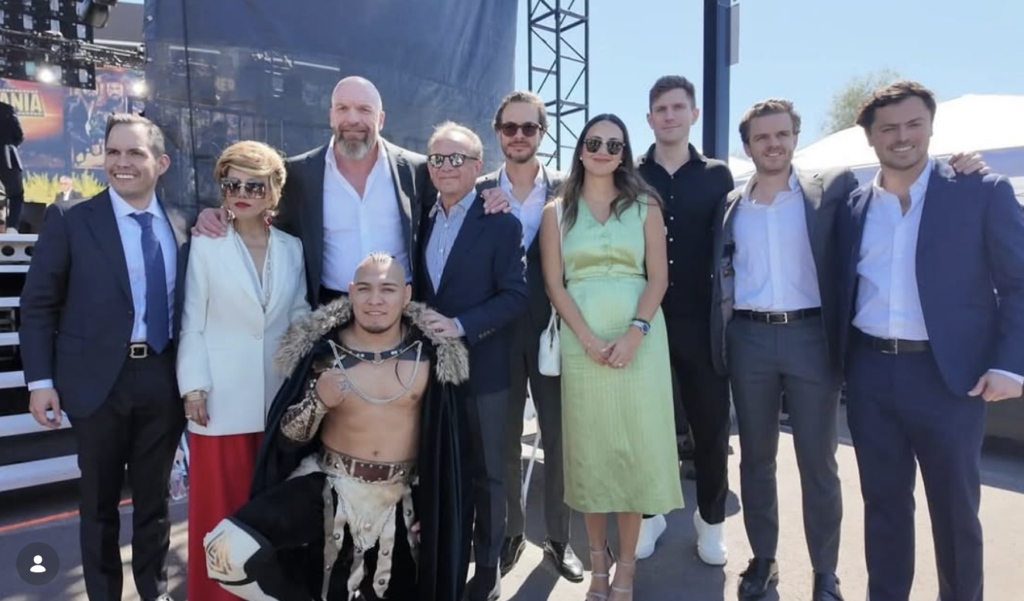
Fillip is a sports and entertainment holding company in Latin America, with brands like Kings League México, AAA Lucha Libre, Tycoon, and Box to Box Latam. The company does not just invest and watch from the sidelines. It gets involved in the work: intellectual property, live events, content, commercial growth, and day to day operations. That means the team has to support different businesses at the same time without turning the whole thing into a drawer full of mystery cables. Fillip has central teams for finance, legal, and operations, plus specialized teams for each property. People move between projects depending on what the business needs. In entertainment, plans change fast. Events shift. Deals appear. One new idea walks in before the last one has found a chair. So flexibility is not a bonus. It is survival.
Fillip’s culture is built around speed, audience focus, and ownership. People are expected to understand how their work connects to the bigger picture. That makes the company exciting, but it also means admin cannot move like it is wearing wet jeans. Payroll, talent management, and compliance need to keep up with the pace of the business. As Fillip grew and added more properties, the need for stronger internal systems became obvious. The team needed more visibility, better coordination, and fewer tools fighting for attention in the background.
What challenges were they facing with payroll?
Before Runa, Fillip had a very complex admin setup. Each property came with its own payroll process, provider, compensation structure, and system. Over time, that became a patchwork. Information lived in too many places, and processes were not always consistent. The team had to bring data together by hand, labor cost visibility was limited, and getting a full view of payroll across all entities was harder than it should have been. For a holding company where people can support more than one vertical, that made decisions slower and daily work heavier.
The regional setup made things even more layered. Mexico has its own rules, and working with teams in other Latin American countries added more compliance needs. Managing that through disconnected systems created risk and made control harder. As Fillip grew, the old way stopped making sense. Multiple providers and isolated systems were fine until they became a traffic jam. Fillip needed a platform that could handle complexity without slowing the company down.
How has Runa helped them?
Runa helped Fillip bring its entities into one platform, creating a clearer way to manage payroll and talent processes. What started as a tech improvement quickly became part of the company’s operating base. By centralizing information, Fillip reduced the fragmentation that had made the work messy. Data became easier to find, processes became more consistent, and teams gained better visibility into payroll and labor information across the business. Automation also helped. Tasks that used to take manual effort became faster and more reliable, giving HR and Finance more time for planning, analysis, and business support.
“Runa is not just software; it became key infrastructure that gives us back strategic time and allows us to focus on growing the business.”
In a company linked to events, partnerships, and commercial projects, real time visibility matters. Better information helps leaders make better decisions and react faster when plans change. Compliance also improved. For a company working with institutional investors and several entities, this is not optional. Runa gave the team more structure, better traceability, and more confidence in regulatory processes.
Why did they choose Runa?
When Fillip reviewed options, many traditional systems felt too stiff for the way the company works. Fillip sits between sports, entertainment, media, and intellectual property, so its needs are not standard. The platform had to support several entities, different business units, and a fast moving team while keeping visibility and consistency. Runa’s technology, integrations, and flexibility gave the company the adaptability it needed without forcing everyone into a process that felt wrong.
The support also mattered. Fillip needed a partner that could keep up with a business where priorities move quickly. Fast implementation, useful support, and the ability to adapt made Runa stand out. For Fillip, payroll stopped being just admin and became part of the company’s operating structure. The platform had to support growth, complexity, and speed at the same time. Runa gave them that base without adding another shiny tool that only creates more work.
Looking ahead
Over the next decade, Fillip wants to become the leading sports and entertainment intellectual property group in Latin America. The company aims to be the natural partner for global leagues, brands, and creators looking to grow in the region. Its long term plan includes building a strong portfolio supported by in house capabilities in production, distribution, audience growth, and monetization. It also wants to create more chances for Latin American talent to compete globally and bring more premium entertainment experiences to the region.
That vision needs more than big ideas and strong deals. It needs internal systems that can carry the weight. As Fillip gets larger and more complex, payroll, talent management, compliance, and workforce planning become more strategic. For the company, professionalizing those areas is not admin housekeeping. It is part of building a business that can scale. Runa helps give Fillip that structure, so the team can grow across Latin America and beyond without the back office turning into the villain of the story.