 US-EN
US-EN  Argentina (AR)
 Brazil (BR)
 Chile (CL)
 Colombia (CO)
 Ecuador (EC)
 Mexico (MX)
 Perú (PE)


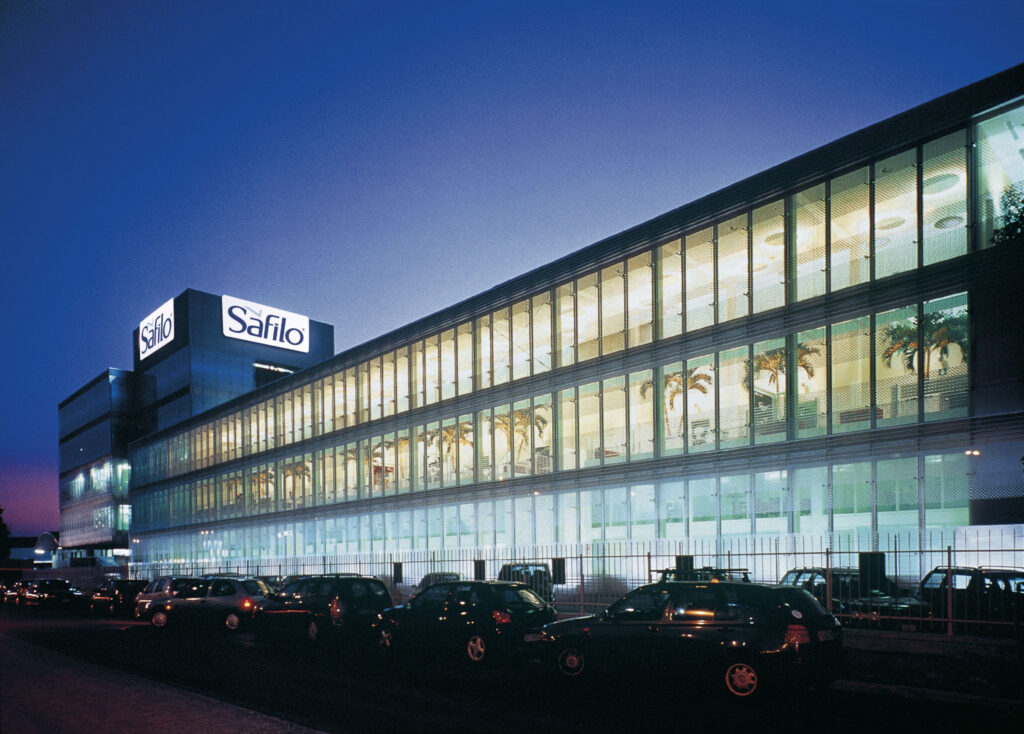
About Safilo México
Safilo de México is part of Safilo Group, an Italian company with a global footprint and a long history in eyewear. The group designs, manufactures, and distributes frames and optical products for well known brands around the world. So this is not a company learning the industry as it goes. Safilo already knows the game. Design matters. Quality matters. Timing matters. And in eyewear, even a tiny detail can change the whole product. One frame can look elegant. Another can make someone look like they borrowed glasses from a confused science teacher. Details count.
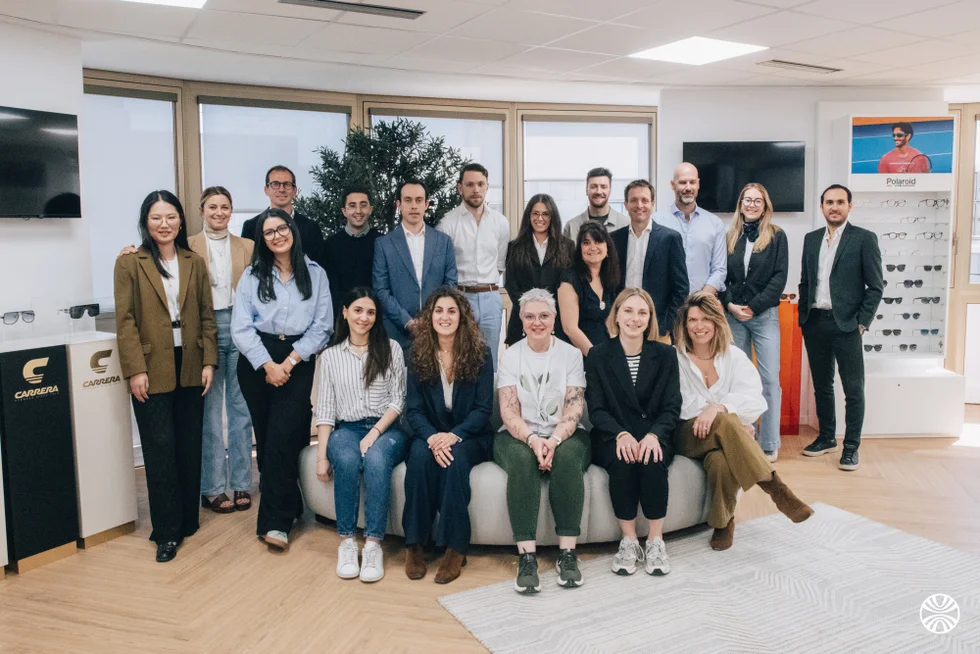
In Mexico, the team has 41 employees and focuses mainly on importing and distributing products in the national market. It is not the biggest operation in the group, but that does not mean it is simple. Being part of a global company brings higher standards. There are processes to follow, information to keep clean, and expectations that come from being connected to a larger international structure. The team has to move with control, but also with enough speed to keep up with the business. As the operation kept growing, the need to improve internal processes became harder to ignore. The old way had done its job for a while. That happens in many companies. A spreadsheet works. A provider helps. A file gets exported. People adjust around the gaps. Then one day the team realizes the process is not really helping anymore. It is just being dragged along like an old suitcase with one wheel making that awful airport noise. Safilo de México needed payroll and Human Resources to feel clearer, faster, and more connected to the way the company was evolving.
What challenges were they facing with payroll and Human Resources?
A big part of the challenge was that Human Resources and payroll work lived in different places. Some tasks were manual. Some information came from separate tools. Some reports needed extra checks. None of this sounds shocking at first, because plenty of companies operate this way for years. But over time, the process starts to wear people down. Not all at once. Slowly. One report here. One manual review there. One more validation because something does not match. By the end, the team is spending too much time proving the information is right instead of using it. That fragmentation created more administrative work than necessary. Reports took longer to prepare. Calculations needed more attention. Tracking information was not as simple as it should have been. And every manual step added a little risk. In payroll, little risks are not cute. They do not stay little forever. One wrong number can become a long conversation. One missing update can slow the whole process. One file in the wrong format can make the day feel like someone put glue on the keyboard.
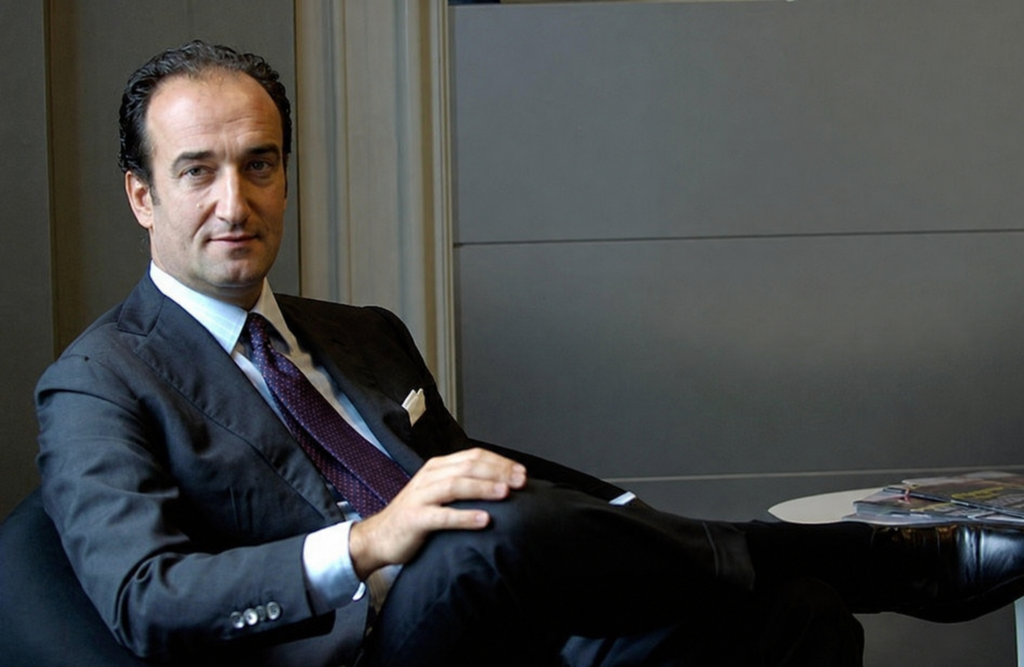
Elvira Muñoz, HR Manager, explains it clearly: “we needed to implement new technologies that would truly help us streamline processes and have more control over the entire operation.” That was the need. Not just a new tool because new tools look nice in meetings. Safilo de México needed better control. Better visibility. Less manual work. A process that could support the company without making HR carry extra weight every month. The company also needed a structure that matched its reality. It was part of a global group, but the local team still had to deal with day to day work in Mexico. Employees needed clarity. Leaders needed reliable information. HR needed fewer loose ends. When a process depends too much on disconnected tools, people can still make it work, but it feels harder than it should. Like trying to eat soup with a fork. Technically, effort is happening. Results, not so much.
What solution were they using before?
Before Runa, Safilo de México managed many processes with Excel, payroll outsourcing services, and time clock systems that delivered information in TXT files. That kind of setup is common. It usually starts because it solves what is urgent. Excel does one part. A provider does another. The time clock sends a file. Someone reviews. Someone compares. Someone fixes. Then someone checks again because payroll has a special talent for making people doubt everything.
The tools allowed the company to operate, but they did not give the team a full view of the process. Each step needed extra reviews and manual reconciliation. Any adjustment took longer than it should. Any validation meant going back to check another file or another source. That is where the real cost was. Not only time, but mental energy. The team had to keep the process standing with constant attention, like holding a door shut while the wind keeps pushing from the other side. For a company trying to grow and professionalize, this became a clear limit. Safilo de México needed information to be easier to access and easier to trust. The team needed fewer manual steps and less dependence on disconnected tools. Global standards require consistency, and consistency is hard when information is scattered like puzzle pieces in different drawers.
How did Runa help them?
Runa helped Safilo de México bring scattered processes into one platform. That was the first big relief. Human Resources and payroll information could finally live in a more organized place. The team gained visibility. Daily tasks became faster. Reports became easier to access. Manual work went down. The process stopped feeling like a collection of separate parts and started feeling more like one operation. “Today, we have much more agile processes and better visibility into all the information,” says Elvira Muñoz. That is the practical change. HR can now manage information with more control and less back and forth. Instead of spending too much time on reconciliations, validations, and repetitive checks, the team can use that time for work that actually adds value. Because no one joins HR dreaming of becoming the guardian of five versions of the same file.
Automation also helped reduce errors. That matters in payroll because accuracy is not optional. Employees expect correct payments. Leaders expect reliable data. The business expects the process to run without drama. With Runa, Safilo de México gained a cleaner and more dependable way to manage payroll and Human Resources. Not magical. Not complicated. Just more organized, which is often exactly what a team needs. Runa also helped the local operation align better with the level of professionalization expected from Safilo Group. In a global company, internal consistency matters. The Mexico team needed processes that could support growth and keep pace with the wider organization. Runa gave them a stronger base, with more control and fewer manual steps slowing things down.
Why would they recommend Runa?
Safilo de México would recommend Runa to companies that are starting to feel the weight of fragmented Human Resources and payroll processes. The platform helps bring order to areas that often grow messy over time. It makes daily work easier, but it also helps the team operate with more confidence. That difference matters. A tool should not just sit there looking modern. It should remove problems people are tired of dealing with. “It is a very effective and accessible solution for companies that need order and control,” says Elvira Muñoz. That says it plainly. Runa gives teams a way to centralize information, automate key tasks, and reduce the friction that comes from manual work. For HR teams, that can change the day. Fewer repeated checks. Fewer scattered files. Fewer moments where someone has to ask, “who has the latest version?” which may be one of the most tired sentences in office history.
The value is also in the ease of use. If a platform is too complicated, people avoid it. Then the company ends up with a shiny tool and the same old mess. Runa helped Safilo de México work with more clarity without making the process heavier. That is the point. More control should not mean more headaches. It should mean fewer of them.
Where do they see the company in 10 years?
Safilo de México sees itself continuing to grow with Safilo Group as the optical industry keeps changing. The company knows it is not the same operation it was three years ago, and it will not be the same ten years from now. Markets move. Technology moves. Customer expectations move. Even internal processes have to move, whether people like it or not. Standing still is not really an option. The future is not only about selling more products or expanding commercially. It is also about strengthening the operation inside. Technology, efficiency, and better processes will continue to matter. A global company needs local teams that can work with clarity, speed, and control. Payroll and Human Resources cannot become the part of the operation that slows everything down like a shopping cart with a stubborn wheel.
For Safilo de México, the next decade will bring more change, more structure, and more need for internal processes that can handle complexity without making daily work harder. Runa fits into that direction by helping the team operate with better visibility and fewer manual steps. Growth is not just about becoming bigger. It is about being able to carry more responsibility without dropping the details. And for a company built around precision, design, and quality, those details matter everywhere, even behind the scenes.