 US-EN
US-EN  Argentina (AR)
 Brazil (BR)
 Chile (CL)
 Colombia (CO)
 Ecuador (EC)
 Mexico (MX)
 Perú (PE)


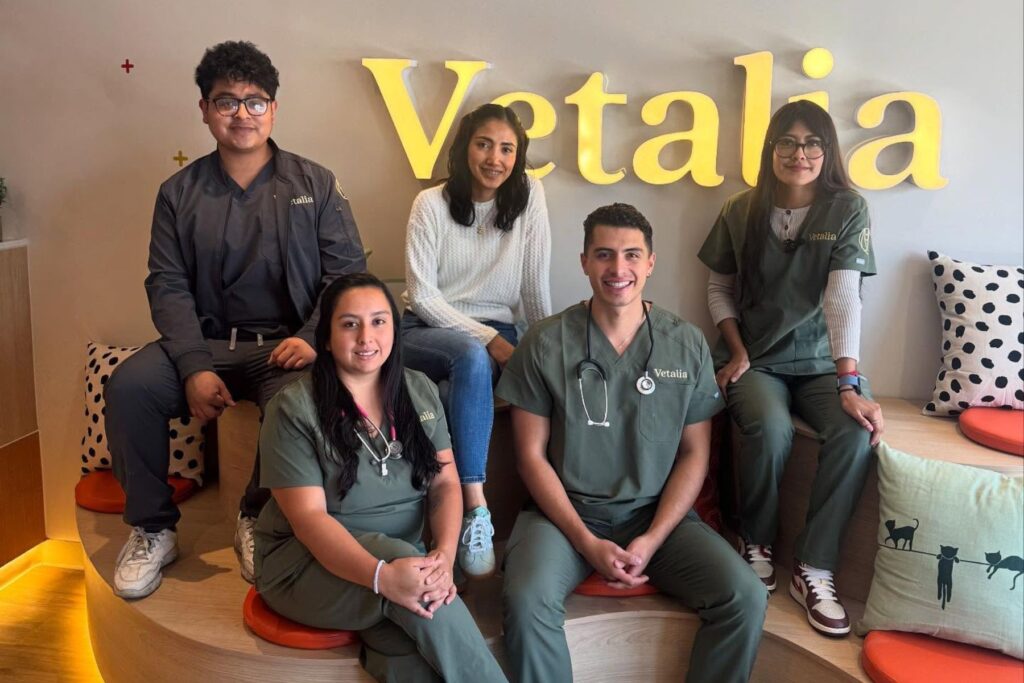
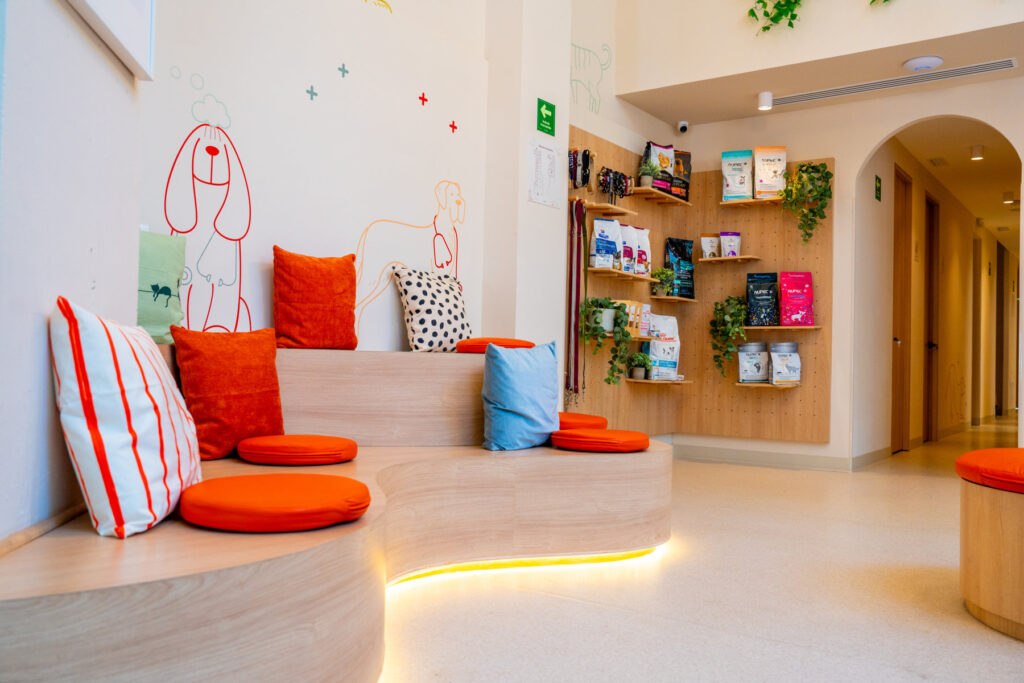
About Vetalia
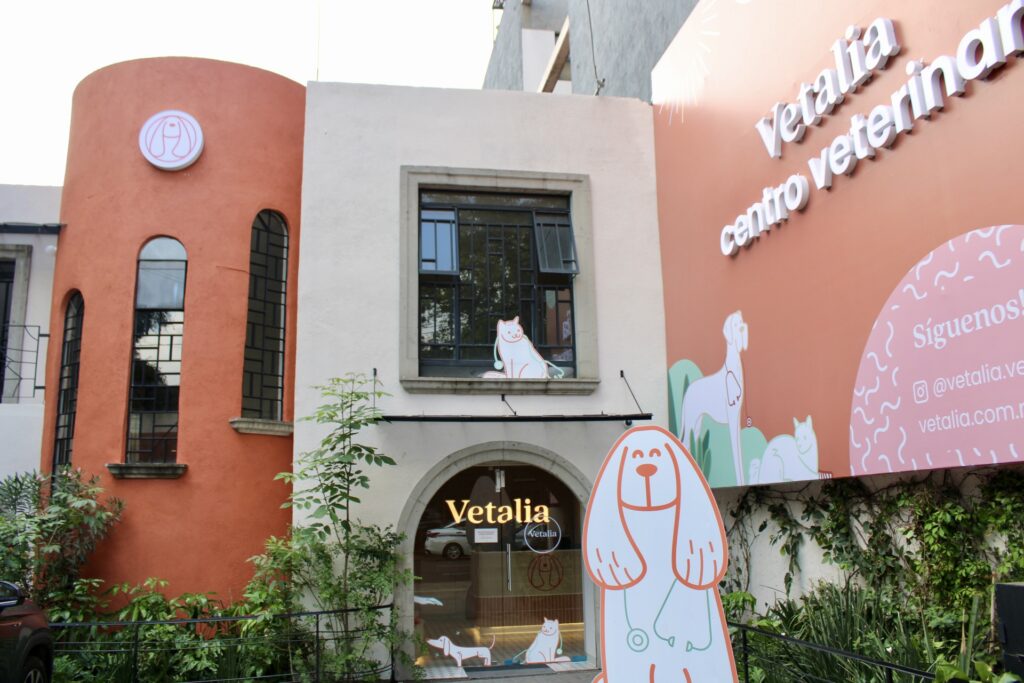
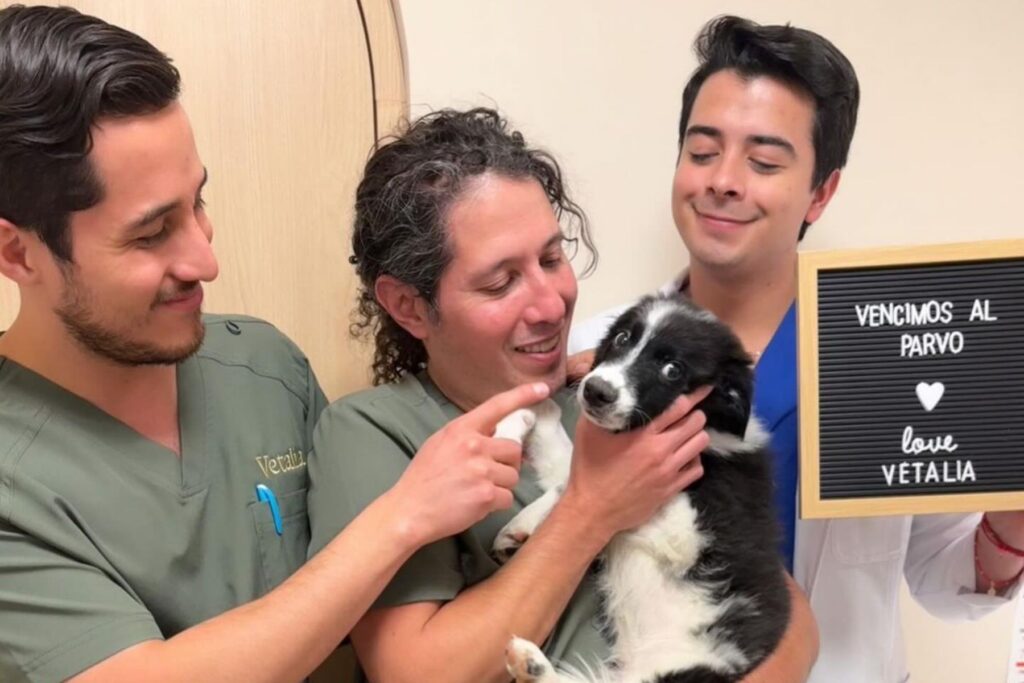
Vetalia is a PetCare startup focused on health and wellness services for pets through a growing network of specialized clinics. The company brings together medical care, service quality, and a more complete view of pet wellbeing. And in this market, that matters. People no longer see pets as “just animals.” They are family. Very furry family, yes. Sometimes dramatic family too. The kind that eats a sock and then looks offended at the vet. So the standard for veterinary care has gone up, and companies like Vetalia are growing in a sector that needs more professional, reliable, and well organized services. In a short time, Vetalia has grown quickly, reaching multiple clinics and building a team of more than 200 employees across different locations. That kind of growth sounds exciting, and it is, but it also brings a lot of moving pieces. Each clinic has its own daily rhythm. Teams need to be coordinated. Schedules need to work. Information needs to stay clear. And the People team has to keep everything running without turning payroll into a monthly obstacle course with a clipboard at the finish line.
As the company expanded, it became clear that internal processes had to grow too. The clinical side could not be strong while the administrative side stayed stuck in slow manual work. People management, payroll, and operational control became critical. This happens often in companies with distributed teams. When employees are spread across different locations, payroll stops being a simple back office task. It becomes part of operational control. If the process is not clear, the whole operation feels it. Sometimes quietly. Sometimes very loudly. Usually right when everyone already has too much to do.
What challenges were they facing with payroll management?
Before Runa, Vetalia was using a People and payroll management platform that still required a lot of manual work from the team. It covered some basic needs, but it did not really make the process easier in the way the company needed. There was still constant follow up. There were still manual steps. There was still too much operational weight sitting on Human Resources. And when a company is growing quickly across several clinics, that kind of setup gets heavy fast. Like carrying a carrier with a cat inside who has decided today is the day to become a tiger. The lack of automation and the fragmentation of processes made management inefficient. Information was not as easy to control as it needed to be. The team had to spend too much time checking, reviewing, and keeping the process together. That increased the risk of mistakes and made it harder to have a clean view of employee information across the clinic network. In a distributed operation, this is not a small detail. A small error in one place can create confusion, extra work, and pressure for several people.
“There came a point when the manual process was no longer sustainable for the pace at which we were growing.”
That sums up the problem well. Vetalia was not just looking for a nicer tool. The company needed a stronger way to manage payroll. Something centralized. Something more reliable. Something that matched the speed and complexity of the business. Because when operations grow this fast, manual work eventually stops being flexible and starts becoming the thing slowing everyone down. The team needed to reduce manual effort, improve visibility, and gain more control over payroll and people data. Payroll had to stop being a fragile process that depended too much on repeated reviews and constant follow up. It needed to become a process the People team could trust, especially as the company continued opening and managing clinics with more employees in different locations.
In what areas has Runa helped them?
Runa changed the way Vetalia manages its internal operation. One of the biggest benefits was the reduction of manual processes. Payroll became more agile, clearer, and easier to manage. Information could now live in one place, which made access and visibility much better for the People team. That matters a lot when employees are not all sitting in the same office. In a clinic network, information needs to travel well. It cannot get lost halfway like a leash someone swears they left by the door. The platform helped centralize team data, regardless of which clinic each employee works in. That gave the company better control and made daily management feel more organized. “We went from having heavy processes to much simpler and more organized management.” That is the practical value. Less manual checking. Fewer scattered details. More clarity. For Human Resources, that means less time spent pushing paperwork uphill and more time for work that actually supports the team.
This shift also improved the internal experience for employees. Processes became clearer, more reliable, and more consistent across locations. That is important because distributed teams need consistency. People should not feel like the process changes depending on where they work or who they ask. With Runa, Vetalia gained a stronger structure at a key moment of growth. The company could keep expanding without letting payroll and People processes become a messy side story. The reduction in operational workload gave the People team more room to focus on strategic work. Talent management. Culture. Better support for clinic teams. Stronger internal processes. These are the areas that help a fast growing company stay healthy from the inside. Less operational workload, more clarity. And in distributed teams, that difference shows up quickly.
Why did they choose Runa?
Vetalia chose Runa because the company needed a more complete solution that could support accelerated growth. The team was not looking for a tool that only handled payroll in a narrow way. They needed something broader. A platform that could give them more structure around people management and help them operate with better visibility. Runa stood out because it could adapt to the reality of a company growing across several clinics, where speed and control both matter. The promise of simplifying processes, centralizing information, and reducing manual work was key. Vetalia needed payroll to stop feeling like a bottleneck. The People team needed a system that helped them move, not one that added more steps. A growing healthcare operation already has enough complexity. Appointments, clinics, teams, patients with paws, owners with questions, and the occasional dog who thinks the vet scale is a personal enemy. Payroll did not need to add another layer of chaos.
Today, Runa has become a strategic ally for Vetalia, especially in payroll management. The platform gives the team more clarity, more control, and more confidence in the process. That is the real value. It is not only about using technology for the sake of using technology. It is about giving the company a stronger internal base so growth does not turn into disorder. For Vetalia, Runa helps keep payroll and People processes aligned with the pace of the business. The company can continue expanding its clinic network while keeping internal management more organized and reliable. And when a company is growing fast, that kind of foundation matters. Because growth is great, but only if the operation can keep up without everyone feeling like they are chasing a runaway puppy through reception.