 US-EN
US-EN  Argentina (AR)
 Brazil (BR)
 Chile (CL)
 Colombia (CO)
 Ecuador (EC)
 Mexico (MX)
 Perú (PE)




About Casa Lumbre
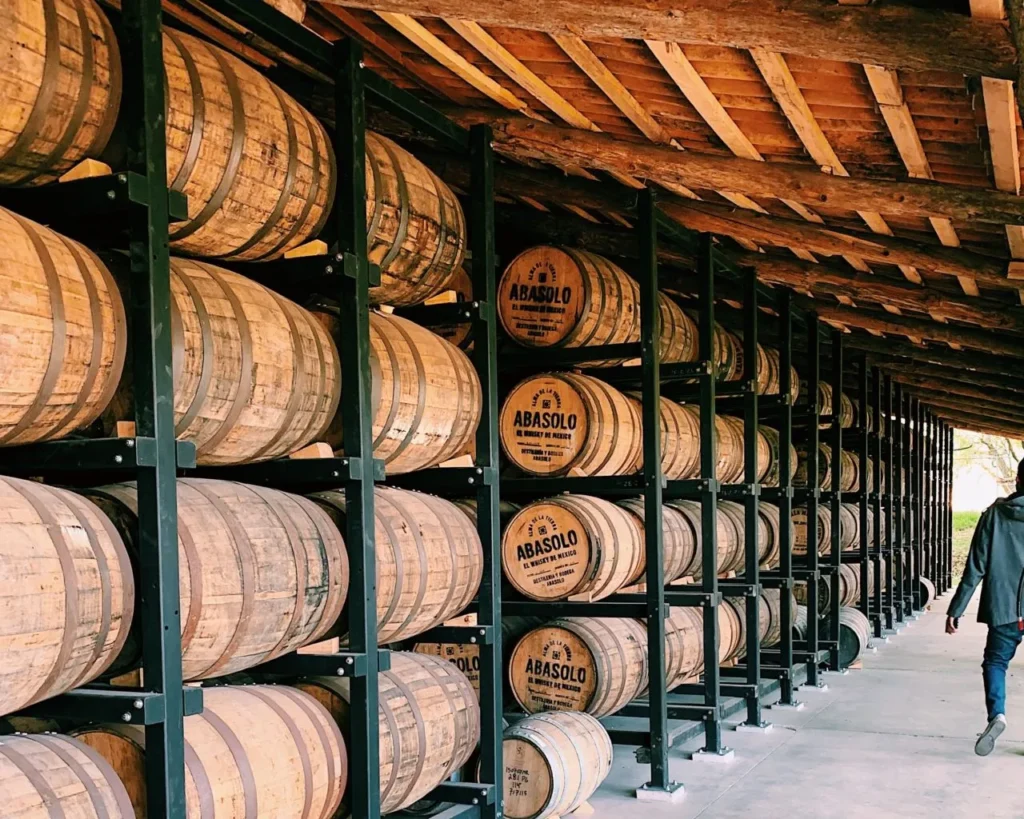
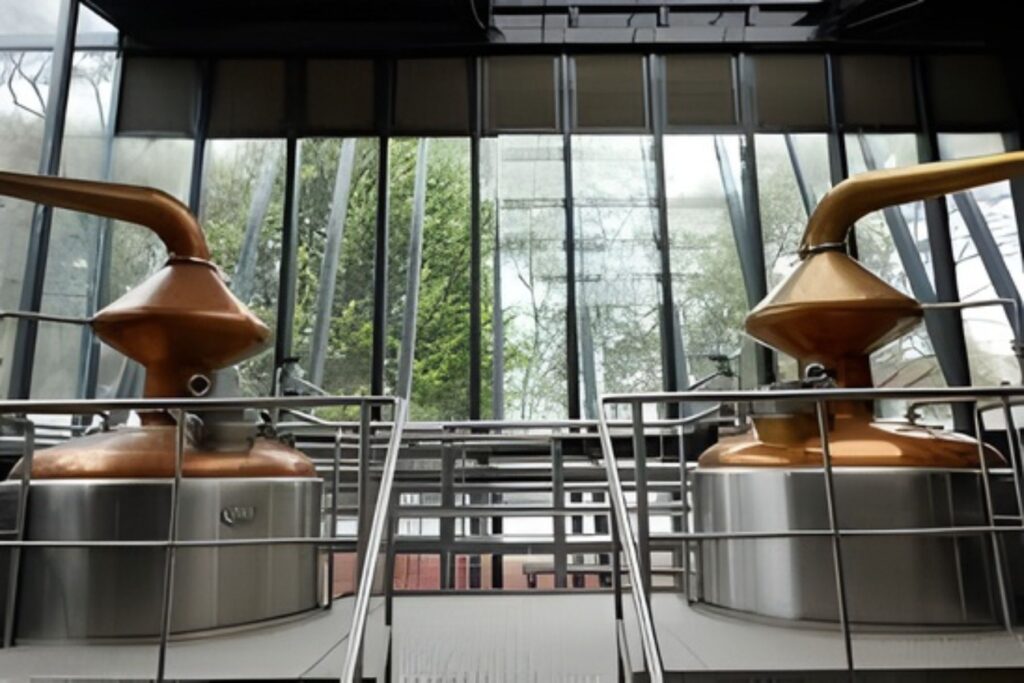
Casa Lumbre was founded in Mexico in 2016 to create craft beverage brands with real stories, cultural roots, and a strong link to Mexican craft. It was not just about putting another bottle on a shelf. Each brand needed a reason to exist. Daniel Schneeweiss and Moisés Guindi started with that idea, and what began with Milagro Tequila grew into brands like Montelobos, Ancho Reyes, Ojo de Tigre, Las Californias, Abasolo, Nixta, Lost Irish, and The Community Spirit. A big table of different personalities, but somehow all from the same house.
Today, Casa Lumbre operates in more than 40 countries, with Mexico still at the center of its creative and operational work. Growth like that is exciting, but it brings more teams, more workflows, and more ways for things to get messy. Creativity needs real structure behind it. Otherwise, growth starts feeling like a party where everyone brought ice but nobody brought cups. Payroll and HR needed to keep pace without losing the close, human feel of the company.
What challenges were they facing with payroll calculation and payment?
Before Runa, many payroll and HR steps were still manual, with several internal checks. Casa Lumbre already had true real payroll software, but it was not set up in a way that made the work simple. The team still had to step in too often, which created errors, delays, and extra reviews. Incidents moved between areas without enough traceability, so HR spent time fixing payroll issues instead of focusing on people, culture, and growth.
As the company fully grew across countries and brands, payroll became harder to manage. More people, more teams, and different ways of working made the old process feel fragile. HR needed better technology, but not something cold or stiff. They needed more order without turning the employee experience into a vending machine with a login screen.
Why did they choose Runa?
Casa Lumbre chose Runa because the company does not work like one simple, centralized business. It manages several independent brands, each with its own rhythm, while a central team supports the whole operation. Runa let them reflect that structure inside the platform instead of forcing everyone into a process that did not fit. That made adoption easier and avoided the classic new system, new headache moment.
Scalability mattered too. As Casa Lumbre expanded, HR needed a platform that could grow with the business and still give the team visibility and control. As Ricardo Gallardo explains, “Runa allowed us to introduce high tech processes without sacrificing closeness or the personalized management of our employees.” That balance was the actual key: more automation, same human touch.
What results did they achieve after implementing Runa?
After Runa, payroll became much more reliable. Calculation and payment errors dropped, and employees felt the change quickly. HR also reduced many recurring issues that had been creating stress before.
Delayed payments and missing payroll receipts used to cause repeated complaints. Now, those problems have almost disappeared thanks to automation, centralized information, and clearer traceability. HR has more visibility, more control, and fewer mystery folders hiding in the process. Runa also became part of Casa Lumbre’s wider automation plan. By cutting manual work and adding order, the platform gave the team more time for strategic projects instead of constant troubleshooting. Casa Lumbre professionalized payroll and HR without losing its close culture. Better processes, still human. That was the real win.