 US-EN
US-EN  Argentina (AR)
 Brazil (BR)
 Chile (CL)
 Colombia (CO)
 Ecuador (EC)
 Mexico (MX)
 Perú (PE)




About La Haus
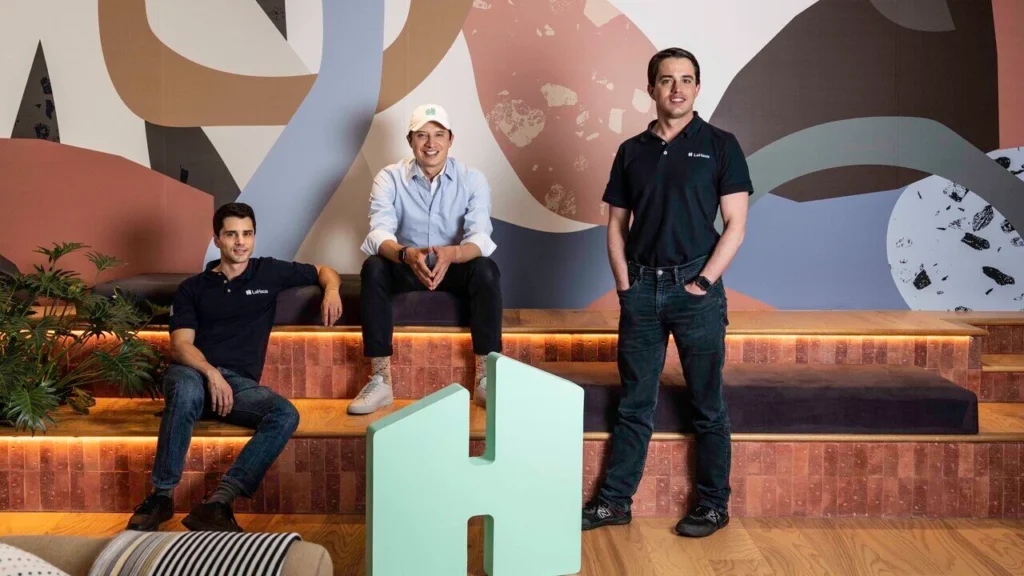
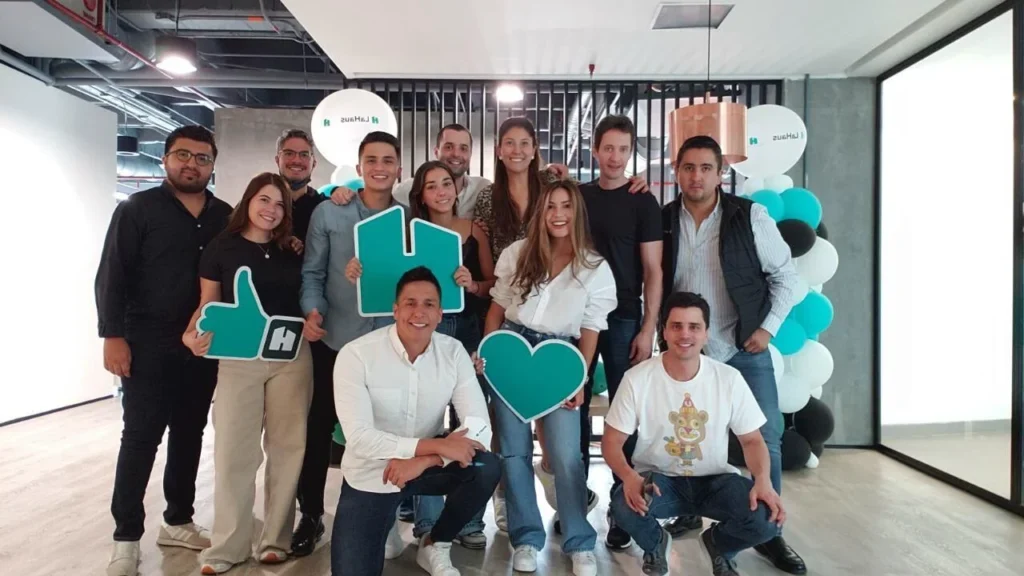
La Haus is a proptech with Latin American DNA that is changing the way people buy homes in the region. Its model mixes technology, data, and personal support to make buying a home easier, safer, and clearer. And anyone who has tried to buy a home knows that process can feel like a treasure hunt where every clue asks for another document. La Haus was founded in 2017 as a spin off of Jaguar Capital, with a clear goal: use the potential of the residential market to solve real problems in real estate. The idea worked. In a few years, the company expanded to Colombia and Mexico, reached 14 cities, sold more than 20,000 homes, and raised more than $150 million. But with fast growth came a more complex operation. The internal structure had to grow up too, especially around talent management. Payroll stopped being a quiet back office task and became something the business really needed to get right.
What challenges were they facing in calculating and paying payroll?
During an important stage of growth, La Haus managed payroll through an external payroll outsourcing provider. On paper, the setup worked. In real life, it came with plenty of friction. Timelines were long, the process was rigid, and there was little room to adapt to the speed of the business. Incidents had to be prepared in Excel and sent up to ten days in advance. Then came confirmations, corrections, and validations. The HR team was always under pressure. Calculation errors happened, and when they did, the team often had to redo steps or create extra payments.
Even asking for a report could take two or three days, which slowed decisions and reduced visibility. As Gisela López explains, “The pressure to pay our Hausers on time was constant, and depending on third parties meant the HR team worked under a lot of tension.” What should have been steady became a recurring headache. For a company moving as fast as La Haus, that model started to feel like running in sneakers tied together.
How has Runa transformed their payroll management and internal operation?
The change was clear from the start. By leaving the outsourcing model behind, La Haus gained full control of payroll while using Runa as its platform. Today, a team of only two people can calculate the whole payroll in one day. Employee registrations and terminations are handled with more accuracy, severance payments are generated automatically, and up to six employer registrations can be managed from the same account. One of the biggest wins was no longer waiting on third parties for reports. The team can now create information when they need it, with the format and detail they want. That has improved planning, sped up decisions, and reduced errors. Instead of reacting to problems, the team now works with more clarity and control. Having everything in one system also removed duplicate tasks and gave Human Resources more time for work that actually moves the company forward.
Why did Runa become their strategic payroll ally?
For La Haus, the value was not only in making payroll faster. Employee experience mattered too. With Runa, payroll became clearer and easier for everyone. Once payroll is stamped, employees automatically receive their receipts by email and can access their personal information through a simple self service platform. Unlike the old outsourcing model, employees adopted the platform quickly and now use it to manage their own information. That also helped reduce the admin load for HR. The team no longer spends time answering the same questions or sending payroll receipts by hand like human printers with calendars.
As Gisela López explains, “Runa took a huge administrative burden off our shoulders, because now our Hausers can check their information without depending on us.” Support has also been important. Fast answers, clear help, and close guidance have helped La Haus keep confidence as it grows. Today, Runa is more than a payroll tool. It is part of the company’s internal base, helping support growth, improve the employee experience, and give La Haus the control and flexibility it needs across Latin America.