 US-EN
US-EN  Argentina (AR)
 Brazil (BR)
 Chile (CL)
 Colombia (CO)
 Ecuador (EC)
 Mexico (MX)
 Perú (PE)



About Dentis+a
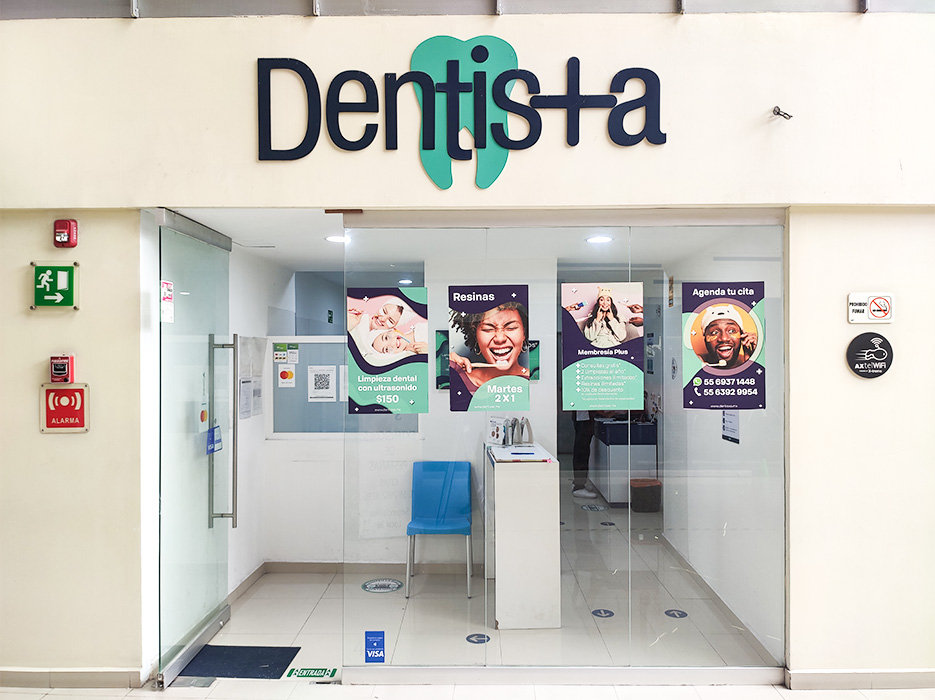
In Mexico, dental care is still one of those health issues that everyone knows matters, but many people end up pushing aside. The numbers say it clearly. More than 90% of the population has cavities, and only about 20% has access to dental services. That is a pretty wide gap, and it shows up in real life. People delay checkups, wait until pain appears, and treat dental care as something urgent only when it becomes impossible to ignore. Sometimes the reason is money. Sometimes it is distance. Sometimes it is simply that prevention has not become part of everyday habits. For many patients, going to the dentist still feels like walking into a room where bad news is sitting in the chair, smiling politely. That reality affects quality of life, but it also points to a bigger challenge for healthcare companies in Mexico. There is a clear need for dental services that are easier to access, easier to understand, and easier to trust. Not just services that look good on paper. Services that actually work for people. That is the context in which Dentis+a was born in December 2014. The company started with a clear mission. Make high quality dental care more accessible in Mexico. Remove barriers. Bring oral healthcare closer to more people. And do it in a way that felt transparent, professional, and human.
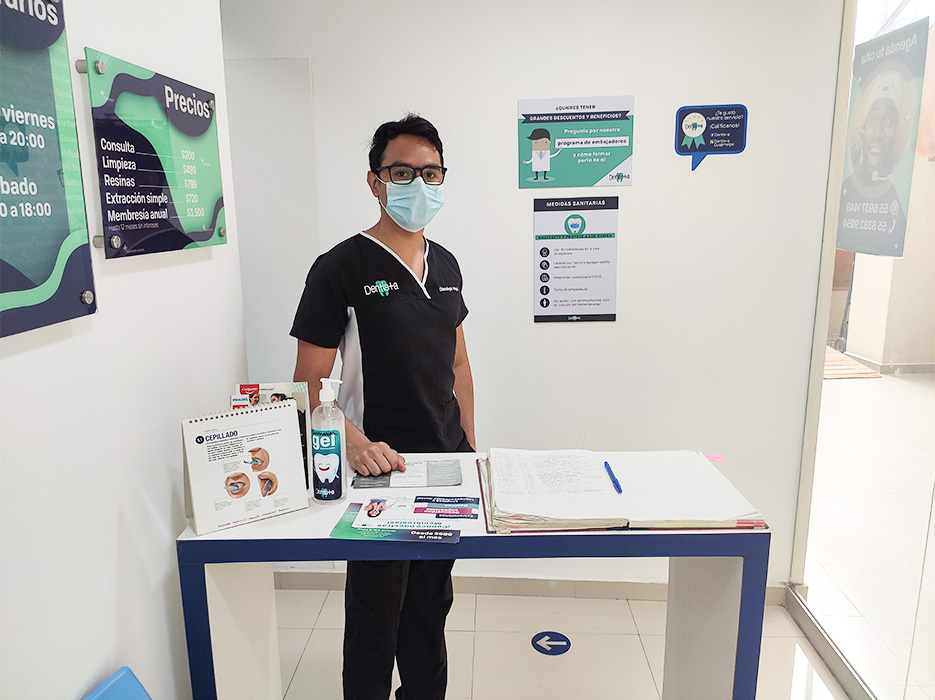
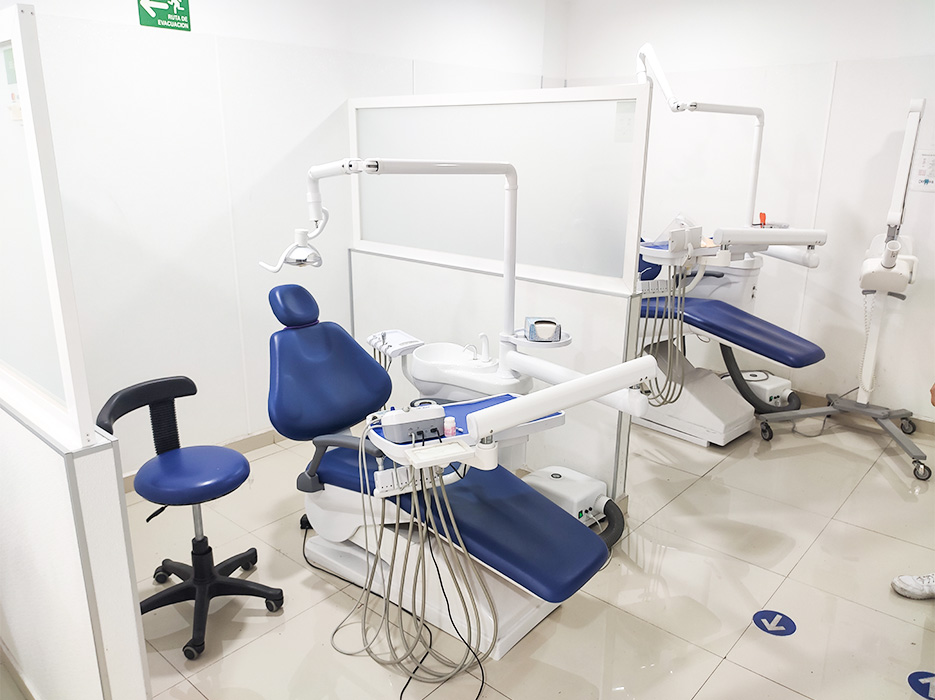
From the beginning, Dentis+a was not trying to offer treatments only. The company wanted to change the way patients think about dental care. Less fear. Less confusion. More trust. More clarity. Because, let’s be honest, plenty of people would rather assemble furniture with no instructions than book a dental appointment. Dentis+a provides comprehensive oral healthcare, from general treatments to more complex specialties. Its network includes highly qualified dentists and specialists, which allows the company to combine strong medical care with financial accessibility and a patient focused experience. Trust plays a huge role in that model. So does consistency. As the company grew, the inside of the business had to grow too. That is the part many CEOs and Human Resources teams know very well. Growth is great. Growth also brings pressure. More employees. More payroll cycles. More data. More compliance requirements. More chances for small mistakes to turn into big headaches. Dentis+a understood that operational efficiency was not just an internal nice to have. It was part of making the mission possible at scale. Because when impact grows, internal operations have to keep up. Otherwise, the company starts moving like a busy clinic with one printer, no toner, and everyone pretending it is fine.
What was payroll management like before Runa?
Before Runa, payroll management at Dentis+a took a lot of manual work from the Human Resources team. The process depended heavily on traditional tools, especially spreadsheets. Those spreadsheets helped for a while, as they often do. But as the operation grew, they also became slower, heavier, and easier to mess up. Each payroll cycle meant checking calculations, reviewing amounts, validating deductions, confirming concepts, and making sure nothing important slipped through the cracks. That is a lot to carry for a small HR team, especially when the company is growing and the operation does not pause just because payroll needs attention. The work was repetitive. It required focus. And it left very little room for error. One wrong number could create confusion with an employee. One missed adjustment could affect compliance. One formula behaving strangely could turn a normal Tuesday into a tiny office soap opera. For María Inés and her team, the issue was not only the time involved. It was the risk. As she explains, “manual calculations were tiring and tedious, and any error could create significant complications.” That sentence sounds simple, but anyone who has managed payroll knows what it means.
Payroll mistakes are not abstract. They affect people’s pay. They affect trust. They affect the reputation of HR inside the company. And they usually arrive with urgency attached. There was also the legal side. In Mexico, payroll compliance requires constant attention. The Federal Labor Law, the Social Security Law, and the Income Tax Law all play a role in how companies calculate, report, and manage employee payments. Changes in these areas can affect daily work fast. And HR teams cannot afford to treat them as background noise. They need to know what changed, how it applies, and what needs to be adjusted in the process. For Dentis+a, that meant keeping close control over variables, withholdings, contributions, and IMSS movements. Registrations. Terminations. Salary modifications. All of it had to be handled correctly. And all of it had to be documented with care. At a certain point, the team saw the obvious. The manual process had reached its limit. It had helped them get to that stage, yes. But it was no longer the best fit for the size and pace of the company. Dentis+a needed a more reliable way to manage payroll. Something more automated. Something more organized. Something that helped reduce risk without making the team feel like they had traded one problem for another.
How has Runa supported the Dentis+a team?
Runa changed the way Dentis+a handles payroll and Human Resources processes. Not in a flashy way. In a practical way. The platform helped bring key tasks into one place and automate much of the work that used to take hours of manual review. For the HR team, that meant fewer files, fewer repeated steps, and less dependence on spreadsheet checks that could turn into a full detective case. Today, Dentis+a can calculate payroll, generate reports, manage payments, stamp payslips, and register IMSS movements from a single platform. That gives the team more speed, more visibility, and more control over what is happening in each process. The difference matters because payroll is not just another administrative task. It is one of those areas where people expect things to work. Always. No drama. No surprises. No mystery math hiding behind a cell in a spreadsheet. When payroll runs well, employees may not say much. When it does not, everyone notices. Fast.
Runa has also helped Dentis+a stay aligned with regulatory changes. That is a big point for companies operating in Mexico, where legal updates can affect payroll processes and compliance obligations. Instead of depending only on manual adjustments or scattered sources of information, the team can work with a platform that stays updated. That gives HR more confidence. It also lowers the pressure on the team, because they are not trying to carry every legal update in their heads like a backpack full of bricks. María Inés puts it directly. “When it comes to payroll processes, there is nothing Runa has not helped us with.”
The support from Runa’s team has been another important part of the experience. Dentis+a has been able to resolve questions with timely support and technical guidance. That kind of support matters more than people think. A payroll tool can have strong features, but if the team feels alone when something is unclear, adoption becomes harder. In this case, the support helped build confidence. It made the platform easier to use in real work, not just in theory. For the Human Resources team, Runa has become part of the daily operation. It helps them work with more order, reduces uncertainty, and gives them a stronger base for managing payroll as the company continues to grow. It also frees time that can be used for the things HR teams often want to focus on but rarely have enough hours for. People. Culture. Retention. Better internal processes. The work that does not always scream for attention, but quietly shapes the company.
What do they value most about Runa?
One of the things Dentis+a values most about Runa is that the platform is easy to use. That sounds basic, but it is not a small thing. For an HR team with limited time, a tool cannot feel like a maze. It has to be clear. It has to be practical. It has to help the team move faster, not make them feel like they need a treasure map and a snack just to find a report. Runa’s interface helps the team access information without too much friction. Reports are easier to generate. Data is better organized. Information is clearer. That helps with analysis and also with internal decision making. As María Inés says, “the way the information is organized makes obtaining useful reports much simpler and faster.” For Dentis+a, that clarity has had a real impact. The Human Resources team has been able to reduce operational workload, lower the chance of errors, and recover time for more strategic work. That is where the value becomes bigger than payroll. Because once HR spends less time fixing manual issues, it can spend more time supporting the business. Better processes. Better employee experience. Better planning. Better conversations with leadership.
For companies, this is where payroll technology starts to matter at a strategic level. It is not only about paying people correctly, although that will always be essential. It is also about giving HR the tools to operate with confidence and support growth without burning out the team. There is also an impact on employees. When payroll information is clearer and easier to access, people feel more informed. They have better visibility. They trust the process more. And trust is one of those things that does not always show up in a report, but everyone feels when it is missing. Overall, Runa has become a key tool for Dentis+a as it professionalizes payroll administration and strengthens Human Resources management. It supports legal compliance, improves internal processes, and helps the company operate with more structure. It also gives the team a stronger foundation to keep growing. For a company like Dentis+a, that matters. Because growth is not only about serving more patients. It is also about building an operation that can carry that growth without wobbling every time payroll week arrives. Payroll should not feel like a fire drill. With Runa, Dentis+a has been able to make it feel more controlled, more organized, and much easier to manage.