 US-EN
US-EN  Argentina (AR)
 Brazil (BR)
 Chile (CL)
 Colombia (CO)
 Ecuador (EC)
 Mexico (MX)
 Perú (PE)



About TECHO
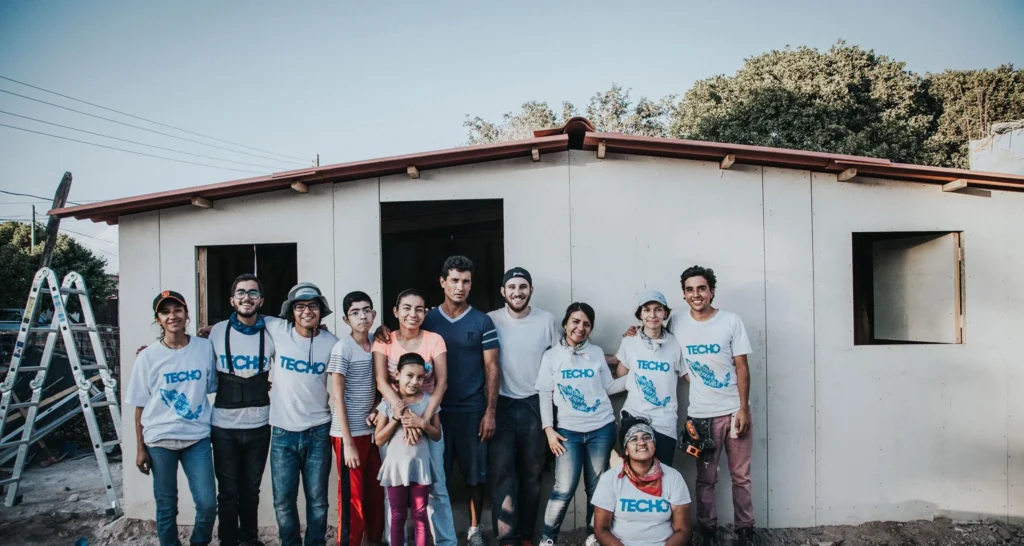
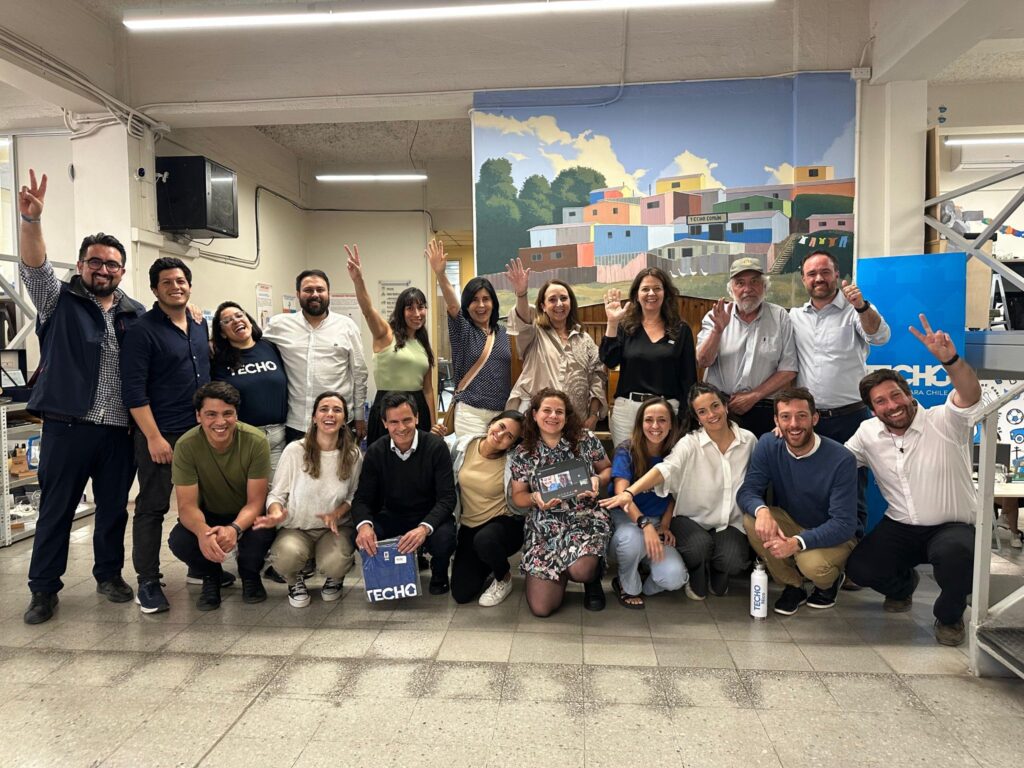
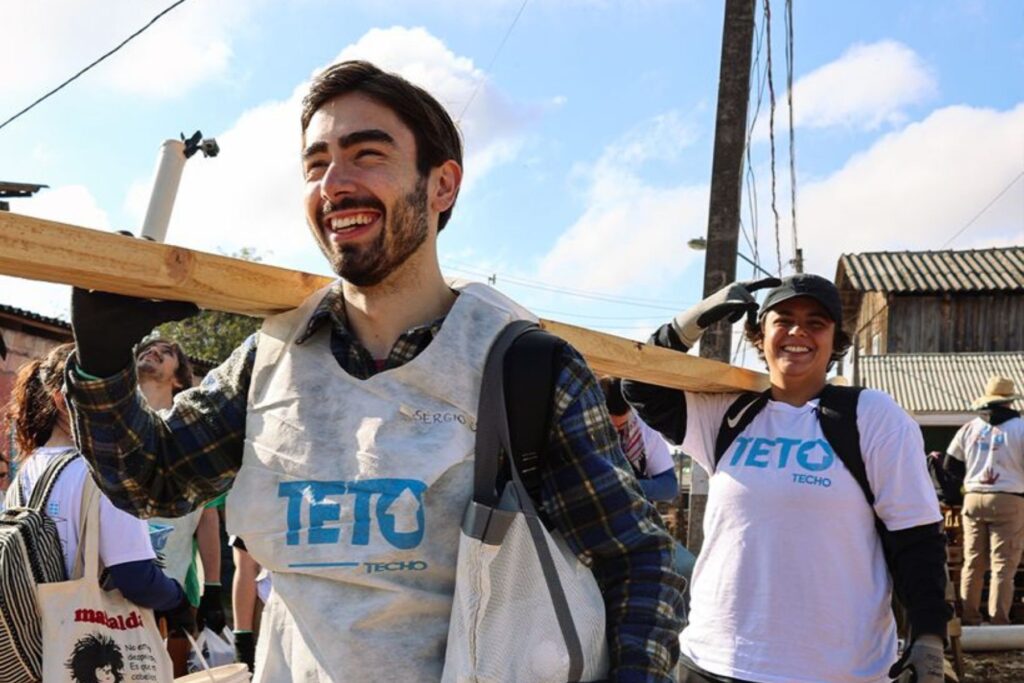
TECHO was founded in Chile in 1997 with a mission that was clear from day one: build dignified housing for families living in poverty and help create more sustainable answers to housing inequality in Latin America. Not just talk about the problem. Not just write reports that sit nicely on a shelf. The work has always been close to the ground, with communities, volunteers, and partners working together to create real change in people’s lives.
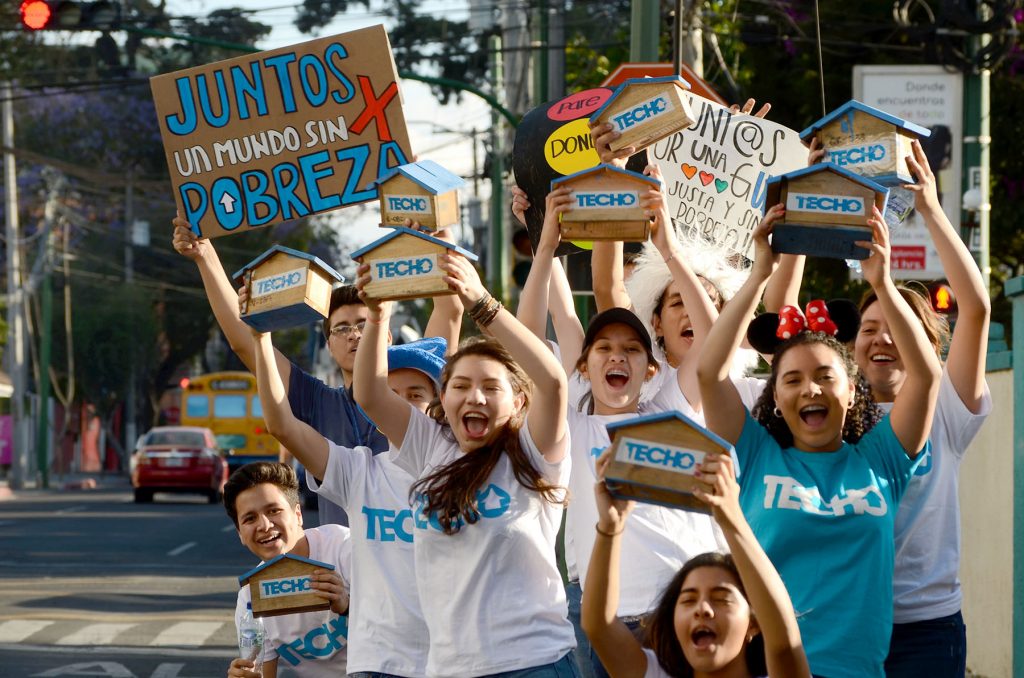
Over the years, TECHO grew in impact and in reach. Today, it works in nineteen countries across Latin America, as well as in the United States and Europe. Its projects go beyond housing. They include infrastructure, basic services, health, employment, and education programs. All of it connects to the same purpose: defend rights, support community development, and help build fairer and more inclusive societies. That is a big mission, and big missions need strong internal operations behind them. Field work may be the visible part, but payroll, people management, and admin processes are the engine room. If that engine starts coughing, the work outside can feel it fast. In a regional organization like TECHO, payroll is not just an internal task sitting quietly in a corner. It affects teams in different places, with different needs, different timelines, and local realities that do not always fit into a neat little box. When payroll is delayed or unclear, it can create problems for people who are already focused on demanding work in communities. So the internal process needs to be reliable. Not fancy. Not overcomplicated. Just clear, fast, and steady. Like a good pair of boots in the field. Nobody writes a poem about them, but everyone notices when they fail.
What challenges were they facing with payroll?
Before Runa, TECHO managed payroll through an accounting firm. At one point, that model made sense. Many organizations start that way because it feels safe to put payroll in outside hands. But as TECHO grew, the process started to feel too slow and too dependent on third parties. Each payroll cycle took more time than it should. The team had to wait, follow up, check, and then wait again. For an organization that needs to move quickly, that kind of rhythm can feel like trying to run with wet socks. The cost was also not matching the value the team was getting from the process. Payroll was still heavy, still slow, and not flexible enough for the way TECHO worked. In social impact work, timing matters. Teams need answers. Local operations need things to move. People cannot spend too much time stuck in administrative loops when the work outside keeps going. The process needed to support the organization, not ask for a chair, sit down, and become one more thing to manage.
Andrés Márquez explains it clearly: “each calculation took too much time and slowed us down in our daily operation.” That was the core issue. It was not only about calculations. It was about pace. About response time. About how much control the team had over something as important as payroll. As he also says, “the process was slow and not very flexible for an organization that needs to move fast.” And that sentence fits the problem exactly. TECHO needed speed, but not speed without control. It needed both. At that point, it became clear that the old model was no longer enough. TECHO needed a technology platform that could handle complexity without turning every payroll cycle into a long back and forth. A process that could bring more visibility, fewer delays, and better control for a regional team. Because when an organization works across countries and communities, payroll cannot behave like a paper map in a rainstorm.
In what areas has Runa helped them?
With Runa, TECHO was able to bring payroll management into one platform. That changed the daily work in a very practical way. The team gained more order, more clarity, and more speed. Information became easier to access. Data stayed updated. Calculations became automatic. And the administrative effort that used to take up so much time started to go down. Less chasing. Less waiting. Less wondering where the latest version of something was hiding. The platform also helped centralize employee information. That gave the team better visibility and traceability in each process. Payroll can now be generated in just a few steps, and when something needs to be corrected, the team can adjust it quickly without depending on long external validations. That matters a lot. In payroll, small delays can turn into big headaches. Runa helped make the process feel more direct and less fragile.
Another important improvement was the IMSS process. Before, the team had to enter information manually into the IMSS portal, which created extra work and opened the door to errors. Nobody wakes up excited to enter the same kind of data by hand and hope nothing goes wrong. With Runa, that process became more efficient and better aligned with current regulations. That gave TECHO more confidence and reduced unnecessary risk for the administrative team. The biggest difference is that payroll stopped taking up so much operational oxygen. The team can work with clearer information and fewer manual steps. That frees time and attention for work that matters more to the organization’s mission. Because TECHO exists to create social impact, not to spend hours fighting payroll processes like they are a stubborn printer that only works when nobody is watching.
Why did they choose Runa?
TECHO chose Runa because the platform was flexible, reliable, and easy to use. That mattered because TECHO is not a simple one office operation with one payroll rhythm and one way of working. It has teams across countries, different internal needs, and operational realities that can change quickly. The platform had to adapt to that complexity without making the process heavier. Runa gave the team a way to manage payroll with more order while still keeping the agility the organization needs. One key point was the ability to manage several employer registrations in one system. TECHO also needed to administer weekly and biweekly payrolls and handle assimilated worker schemes. Those details are not small. They are exactly the kind of details that make payroll complicated when everything is scattered. Runa helped bring those pieces together so the team could stop coordinating through too many tools and start working from a clearer base.
Support was also a major reason. TECHO valued having close, constant, and solution focused support from the Runa team. When payroll questions appear, teams need answers that are useful and fast. Not vague replies. Not “we will check” floating in the air forever like a balloon nobody wants to pop. They need someone who understands the process and helps solve the issue. That gave the TECHO team more confidence from the beginning. The ease of use also helped adoption. TECHO has a diverse team with different levels of digital experience, so the platform needed to be stable and intuitive. A complicated tool would have created another problem. Runa made the transition easier and helped the team manage payroll with more control, efficiency, and peace of mind. For an organization that never really stops moving, that matters. The work in communities is already demanding enough. Payroll does not need to bring its own backpack full of rocks.